Optimizing Images for Your Photography Portfolio
George Hayes ·
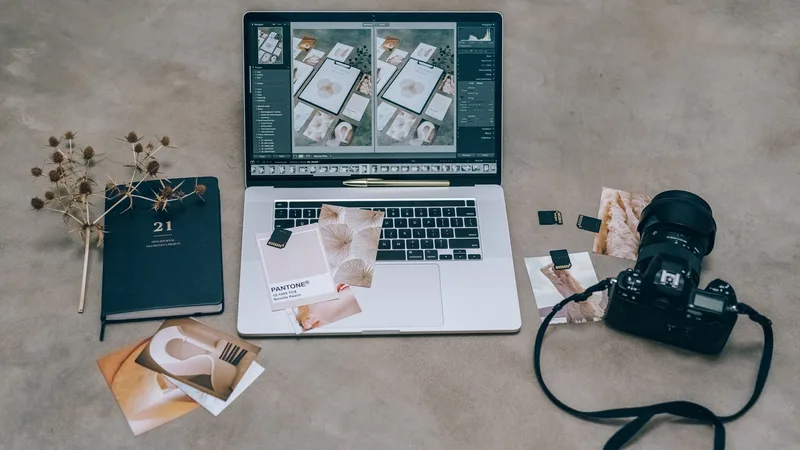
As a photographer, presenting your work in the best light is crucial, and that starts with your website. A well-designed portfolio showcases your talent and invites potential clients to explore your…
Choosing the Right Image Format for Your Photography Portfolio
When curating your photography portfolio, one fundamental aspect to consider is the choice of image format. Each file format has its own merits and drawbacks, influencing not only the quality of your images but also how quickly they load on various devices. Understanding the nuances between formats like JPEG, PNG, and others can enhance the viewer's experience, making your portfolio a delight to navigate. In an era where speed is crucial, optimizing your images accordingly can set your work apart
Different scenarios call for different formats, each tailored to specific needs within your portfolio. For instance, images with intricate details or transparent backgrounds might require a PNG, while photographs that prioritize file size and speed may be best served by JPEG. Knowing when to use each format helps maintain the integrity of your work while ensuring that potential clients and viewers enjoy seamless access to your art.
Understanding File Formats
File formats play a crucial role in how your images are perceived on the web. JPEG is widely used for its compression capabilities, making it ideal for photographs; however, it sacrifices some quality in the process. PNG retains excellent quality and supports transparency, which is beneficial for graphic elements or logos. Each format impacts both the visual quality and the loading speed of your portfolio, making it essential to choose wisely based on your project's specific requirements.
When to Use JPEG vs. PNG
Choosing between JPEG and PNG often depends on the content of your images. JPEG is perfect for vibrant photographs with a range of colors, where slight quality loss is acceptable in exchange for smaller file sizes. Conversely, PNG is the go-to choice for images requiring transparency or sharper details, like infographics or logos. By assessing the nature of your images, you can effectively decide which format will showcase your work while keeping load times optimal.
Compression Techniques to Enhance Load Speed
Optimizing load speed is essential for your photography portfolio, and employing effective compression techniques is a key part of that process. With the right compression, you can significantly reduce file sizes without sacrificing quality, ensuring that your portfolio loads quickly and efficiently. This enhances user experience and can improve your chances of keeping visitors engaged with your work. As more of the world accesses portfolios on mobile devices, this step becomes critical for showcasing your artistry.
There are two primary types of compression: lossy and lossless. Lossy compression reduces file size by removing some image data, which can lead to a decrease in quality but allows for significant size reductions. Lossless compression, on the other hand, preserves all original data, ensuring that quality remains intact while still achieving a smaller file size. Understanding these methods allows you to make informed decisions based on how you wish your images to be displayed.
Lossy vs. Lossless Compression
The choice between lossy and lossless compression hinges on your specific needs. Lossy compression is often ideal for web use, especially for photographs, where smaller sizes can enhance load times without a noticeable drop in quality. However, for images that require precision or have text, lossless compression is preferable as it maintains every detail. By weighing the advantages and disadvantages of each method, you can effectively tailor your approach to suit the demands of your portfolio.
Using Image Compression Tools
To streamline the process of image compression, various tools can assist you in achieving optimal results. Programs like Adobe Photoshop offer built-in options for saving images in different formats with adjustable quality settings, while online tools like TinyPNG can compress images quickly without the need for software. Utilizing these resources can save you time and effort, allowing you to focus more on your creative work. A well-optimized portfolio showcases your talent and respects your viewers' time, drawing them in to explore more of your work. 🌟
Leveraging Responsive Design for Optimal Viewing
When showcasing your photography portfolio, the way your images are presented can make all the difference. With the increasing use of mobile devices, ensuring that your designs are mobile-friendly is essential. Visitors expect a seamless experience, regardless of whether they are viewing your work on a desktop, tablet, or smartphone. A responsive design enhances user engagement and can lead to increased traffic and, ultimately, more clients for your photography business.
To maximize the effectiveness of your portfolio, consider the following aspects of responsive design:
- Prioritize loading times to keep users engaged.
- Utilize flexible grids and layouts that adapt to varying screen sizes.
- Ensure that navigation remains intuitive across devices.
- Incorporate touch-friendly elements for mobile interactions. 📱
The Importance of Mobile Optimization
Mobile optimization is crucial for photographers who want to reach a broad audience. With more people browsing the web on their phones, having a mobile-optimized site can significantly improve user experience. This means your images should load quickly, and the layout should adjust to fit different screen sizes. If your site looks cluttered or is difficult to navigate on mobile, potential clients may quickly lose interest and move on to another photographer's portfolio. Therefore, focusing on mobile optimization is key to retaining your audience and showcasing your creativity effectively.
Using CSS and Media Queries
Implementing responsive design elements often requires CSS and media queries that adapt your layout to various screen sizes. By using CSS, you can control how your images and content are displayed, ensuring they look great on any device. Media queries allow you to apply specific styles based on the device's characteristics, such as width and height. This flexibility means you can create a tailored experience for your users. As you enhance your portfolio, consider how these techniques can improve not just aesthetics but also how potential clients perceive your professionalism and attention to detail.
Image Lazy Loading: A Game Changer for Performance
In photography portfolios, performance is just as vital as aesthetics. Image lazy loading is a technique that allows images to load only when they are visible in the viewport, which significantly speeds up the initial loading time of your website. This means that your visitors won’t be left waiting for images to load, creating a smoother experience. By optimizing load times, you enhance user satisfaction and reduce bounce rates, which can be beneficial for your overall online presence.
Integrating lazy loading into your portfolio can lead to impressive performance improvements. Here are some key benefits to consider:
- Faster loading times, especially for image-heavy sites.
- Reduced bandwidth usage, which can save costs.
- Improved overall site performance and user experience.
- Better rankings in search engines due to enhanced speed.
What is Lazy Loading?
Lazy loading is a technique that delays the loading of images until they are needed, meaning they only appear as users scroll down the page. This method improves loading times and conserves bandwidth, making it an efficient choice for photographers with extensive portfolios. By implementing lazy loading, you're ensuring that your site remains responsive and quick, providing a better experience for your visitors. This is particularly valuable for those who might be browsing on slower connections or mobile devices.
Implementing Lazy Loading on Your Site
Setting up lazy loading is relatively straightforward and can be done with a few simple steps. First, you can utilize HTML attributes like loading="lazy" in your image tags to enable this feature. Alternatively, JavaScript libraries can also be integrated to manage lazy loading more dynamically. Whichever method you choose, the goal remains the same: to ensure that your images load efficiently without compromising the quality of your work. As you enhance your portfolio, consider how this technique can create a more engaging experience for your viewers, much like how online gaming platforms engage their players with smooth, responsive interfaces.
How Optimized Images Can Enhance Online Casino Experiences
As photographers, we understand the critical role that optimized images play in showcasing a portfolio. When it comes to online platforms, whether for personal projects or professional endeavors, the visual appeal can make or break the user experience. This principle rings especially true in the world of online casinos, where quality imagery can significantly impact how players perceive and engage with the site. From vibrant graphics to inviting layouts, well-optimized images create an immersive environment that attracts users and keeps them coming back.
In an industry where competition is fierce, online casinos must prioritize their visual presentation. Just as a photographer curates their images for maximum impact, online gaming platforms should focus on presenting high-quality visuals that enhance their brand identity. By employing optimized images, casinos can enhance their user experience, leading to increased engagement. When players are greeted with stunning visuals, they are more likely to feel connected to the games, resulting in longer sessions and ultimately higher revenues.
Connecting Photography to Casino Sites
The integration of photography into online casinos goes beyond mere aesthetics; it serves as a bridge between the games and the players. High-quality images of games, environments, and experiences can set the tone for what users can expect. For instance, a beautifully shot image of a lively blackjack table can evoke excitement and anticipation. Visitors to these sites are not just looking for games; they seek an experience that resonates with them. When a casino invests in professional photography, it demonstrates a commitment to quality that can instill confidence in potential players.
Promoting Online Baccarat Play with Visuals
Promoting specific games like baccarat through striking visuals can significantly enhance their appeal. Photographers can capture the elegance and sophistication associated with baccarat, showcasing beautiful tables and the thrill of gameplay. These images can serve as powerful marketing tools, drawing players in with the promise of a luxurious experience. By using optimized images in advertising campaigns or on landing pages, casinos can highlight the unique aspects of baccarat, enticing players to participate. A well-placed image can evoke a sense of exclusivity that resonates with users, encouraging them to try their luck at the virtual tables. 🎲