Building a Unique Brand as a Photographer
George Hayes ·
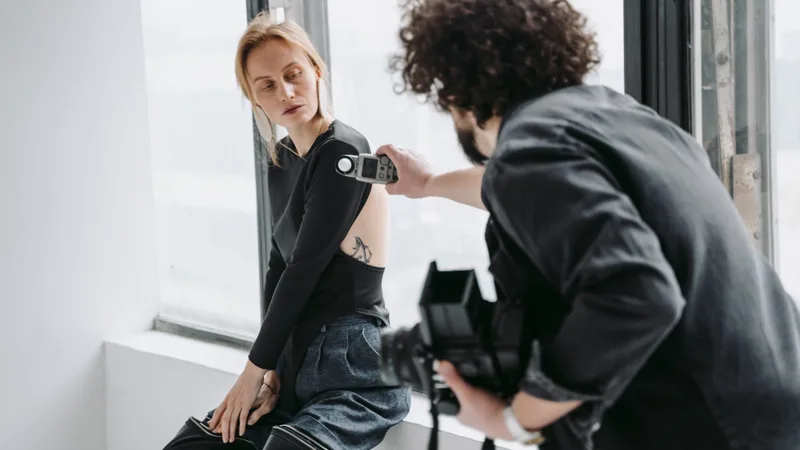
As photographers, we often pour our heart and soul into capturing moments that matter. Yet, in a crowded marketplace, how do we ensure that our unique vision stands out to potential clients? Building…
The Role of Web Design for Photographers
When it comes to web design for photographers, the visual elements of your website play a crucial role in showcasing your work. A well-designed site reflects your unique style and serves as a platform to tell your story through images. Every aspect, from color schemes to typography, should enhance the narrative you want to convey. Presenting your moments online is equally important as capturing them. The right design can captivate visitors and draw them into your artistic world
Additionally, an effective web design strategy can significantly impact how potential clients perceive your brand. A thoughtfully crafted online presence can set you apart from the competition. Elements like responsive layouts and high-quality visuals ensure that your website is not just another page on the internet. Instead, it becomes a dynamic representation of your artistry. Remember, first impressions matter; your website often serves as the first point of contact with potential clients, making it essential to get it right.
Visual Storytelling through Design
Design elements such as color, layout, and imagery work together to enhance your photographic narrative. Think of your website as an extension of your portfolio; it should reflect the emotions and themes present in your work. Use consistent color schemes that evoke the mood of your photography. For instance, warm tones can create a welcoming atmosphere, while cooler colors might suggest professionalism. Selecting the right font can also contribute to the overall feel of your site, making it easy to read while complementing your images.
User Experience: The Key to Engagement
An intuitive layout is vital for keeping visitors engaged on your site. When potential clients visit, they should easily navigate through your portfolio without frustration. Consider implementing a clear menu structure, allowing users to find what they're looking for quickly. You might also want to include direct links to your services, testimonials, and contact information. A well-organized site enhances user experience and encourages visitors to spend more time exploring your work. A positive user experience can lead to increased inquiries and bookings.
Crafting Your Unique Brand Identity
Creating a unique brand identity is essential for photographers who want to stand out in a crowded market. This process involves defining your style and voice, which should resonate throughout your portfolio and online presence. Your brand is not just about your photography; it's about how you communicate who you are as an artist. Consider what makes your work distinctive. Is it your use of natural light, your candid approach, or perhaps your ability to capture emotions? These elements should reflect in your branding, ensuring that your identity is cohesive and recognizable.
In addition to defining your style, maintaining consistency across platforms is crucial. Whether someone finds you on Instagram, Facebook, or your own website, they should immediately recognize your work. This means using similar colors, fonts, and visual styles across all platforms. Having a unified brand helps establish credibility and trust with your audience. It's like a signature that sets you apart, making it easier for potential clients to remember you and your work.
Defining Your Style and Voice
Articulating what makes your photography distinctive can be a powerful tool in building your brand. Take the time to reflect on your personal style and the themes you often explore in your work. What stories do you want to tell? What emotions do you want your audience to feel? By clearly defining your style and voice, you can communicate your artistic vision effectively. This clarity will guide your photographic choices and help potential clients understand what to expect when they work with you.
Consistency Across Platforms
Uniform branding across your website and social media channels is vital for creating a recognizable identity. Use the same logo, color palette, and typography to ensure that your brand feels cohesive. This consistency reinforces your identity and makes it easier for clients to remember you. Consider creating a brand guide that outlines these elements. Regularly updating your platforms with consistent content can strengthen your brand presence. When clients see your work consistently, it builds trust and familiarity, making them more likely to engage with your services.
Building a Portfolio that Attracts Clients
Creating a compelling portfolio is essential for photographers looking to attract clients and showcase their unique style. This selection of your best work serves as a visual résumé that speaks directly to your target audience. It’s not just about displaying your photos; it’s about telling a story that resonates with potential clients. Carefully curating your images can set you apart in a crowded market, guiding prospects to see the value you bring to their projects.
To effectively curate your portfolio, consider a few key strategies. First, focus on quality over quantity; a few stunning images can make a stronger impact than a large collection of average ones. Secondly, tailor your portfolio to reflect the types of clients you want to attract. This might involve showcasing specific styles or themes that align with your ideal clientele. Lastly, keep your portfolio updated regularly to reflect your latest work and evolving style.
Selecting Your Best Work
When selecting the images for your portfolio, think about the emotional and narrative elements that resonate with your audience. Choose photos that highlight your technical skills and connect on a personal level. Consider the following tips:
- Review your past projects and select images that received positive feedback.
- Incorporate a variety of styles and settings to showcase your versatility.
- Highlight any unique techniques or experiences that set you apart.
- Showcase your best work in a clean, organized layout that enhances visual appeal.
Utilizing Testimonials and Case Studies
Leveraging testimonials and case studies can significantly enhance your credibility as a photographer. Past client experiences provide social proof that can help potential clients feel more confident in choosing you. An impactful case study illustrates a successful project and highlights your problem-solving abilities and creativity. Including a quote from a satisfied client can further humanize your brand and make you more relatable. As you build your portfolio, consider adding a dedicated section for testimonials, making it easy for visitors to see what others appreciate about your work.
Engaging with Your Audience Effectively
Engaging with your audience is crucial for building a lasting relationship with potential clients. Regular communication helps keep your photography top of mind and allows you to share your knowledge and insights. One effective way to achieve this is through blogging and content creation. By providing valuable information and showcasing your expertise, you can attract a loyal following that appreciates your work and insights. Content creation is not just about promoting your photography; it’s about building a community around your brand.
Consider the type of content that resonates with your audience. This might include behind-the-scenes looks at your shoots, tips for aspiring photographers, or trends in the industry. Consistency is key; aim to maintain a regular posting schedule to keep your audience engaged. Additionally, invite feedback or questions from your readers, as this can foster a sense of connection and community.
The Power of Blogging and Content Creation
Blogging is a powerful tool for photographers to share their experiences and expertise. It allows you to connect with your audience on a more personal level, giving them insight into your creative process and the stories behind your images. Regularly publishing content can also improve your visibility online and attract new clients. Consider writing about topics such as photography tips, equipment reviews, or personal experiences from your projects. This showcases your knowledge and can also inspire and motivate others in the photography community.
Social Media as a Branding Tool
Social media is an essential platform for photographers to enhance their visibility and engage with their audience. By sharing your work on platforms like Instagram, Facebook, or Pinterest, you can reach a broader audience and create a brand presence that reflects your unique style. To effectively use social media, consider implementing strategies such as posting consistently, engaging with followers, and utilizing relevant hashtags to increase discoverability. Remember, social media is about building relationships, so don’t shy away from interacting with your audience. 🎨
Linking Photography to Casino Entertainment
As photographers, we often seek to capture the essence of our subjects, whether it’s a stunning landscape, a vibrant event, or an intimate portrait. In the context of casino entertainment, this pursuit takes on a thrilling dimension. The excitement of gaming events provides a unique backdrop for photographers to showcase their skills while also telling a compelling story. Understanding how to highlight the energy and atmosphere of these occasions can enhance your portfolio and attract new clients. Every click of the shutter can encapsulate the thrill of the moment, making it a rewarding experience for both the photographer and the audience.
Photographing casino events and tournaments requires a keen eye for detail and an understanding of the dynamics at play. From the glimmer of chips to the tension at the poker table, each element contributes to the overall narrative of the event. Here are a few tips for capturing the excitement:
- Focus on the players' expressions—joy, anticipation, and even frustration can make for powerful images.
- Utilize different angles to showcase the atmosphere, from wide shots of the entire venue to close-ups of hands in action.
- Incorporate the casino's branding subtly in your shots to enhance the storytelling aspect.
- Consider lighting carefully; casinos often have dramatic lighting that can add depth to your photos.
Capturing the Thrill of Gaming Events
When it comes to photographing gaming events, timing is everything. Knowing when to snap the shot can mean the difference between an average photo and a breathtaking one. Anticipate the action and be ready to capture pivotal moments, such as a player winning a hand or the crowd’s reaction during a high-stakes game. The energy in the room can be infectious, and it’s your job to translate that into compelling visuals. By immersing yourself in the atmosphere, your photography can reflect the high stakes and excitement that players experience.
Creating Engaging Visuals for iGaming Brands
Online casinos are rapidly expanding, and with this growth comes the need for high-quality, engaging visuals that resonate with players. Photographers can collaborate with these brands to create stunning images that promote their games and embody the thrill of online gambling. Whether it's capturing the essence of a new slot game launch or crafting visuals for a marketing campaign, the role of a photographer in this space is vital. Working closely with iGaming brands can lead to creative opportunities that elevate both your portfolio and their brand presence.